Helping businesses earn more, pay less tax, allowing you to live the life you want

Chartered Accountants on the outskirts of York

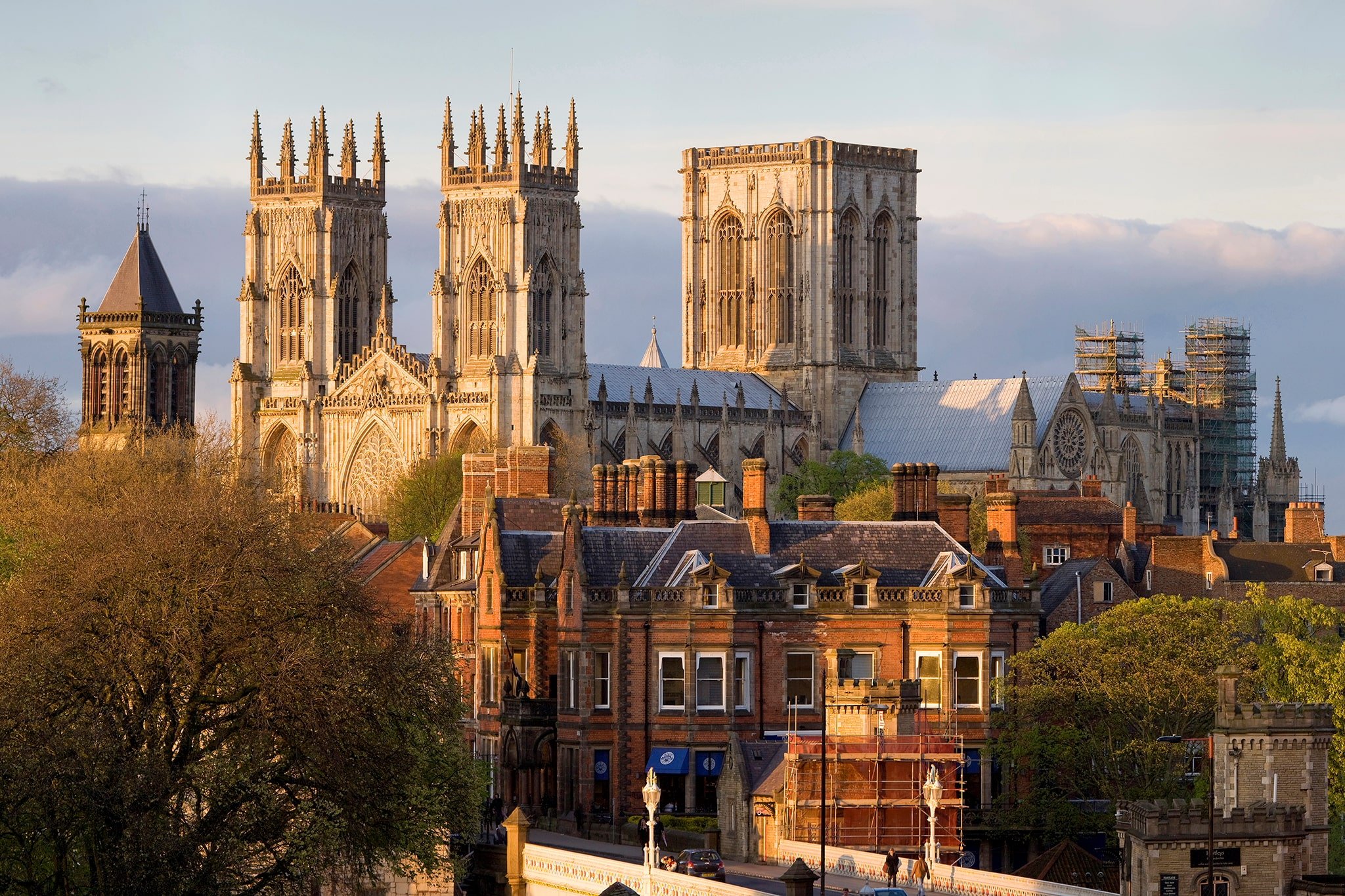
Chartered Accountants in York

As business owners ourselves we know the frustration, stress, and sleepless nights caused by running a business, managing a team, and keeping track of what taxes are due.


At Inglis, we save you time, stress and money by helping you stay in control of your business and maximising your tax reliefs. We are more than just an accounting firm, we support you and your business in the long term, and help you achieve your business and life goals.

Net Zero Accountancy

Net Zero Accounting

Inglis have proudly reached the first level of certification to becoming a Net Zero business, working with climate action platform, Net Zero Now.

A Force for Good

A Force For Good

Whilst profit, tax and cash is important to us, we support several good causes including Wetwheels Yorkshire, York Mind, and Kitchen For Everyone York.

Popular services

At Inglis, we offer a range of accounting services to help your business grow and thrive

Virtual Finance Director

Leave us to manage the finance function of your business so you can concentrate on the day-to-day running of your business. As your Virtual Finance Director, we will be a sounding board you can bounce ideas off, as well as acting as your business coach and working alongside you to ensure you meet your business goals.

Virtual Finance Director
 Management Accounts

Management Accounts

Do you know how much money is coming in and going out of your business on a day by day, week by week basis? In order that you can make informed decisions to manage your business better, we offer a management accounts service that will help you keep on track of your company's numbers.

Bookkeeping

As you grow your business the number of transactions you complete can quickly add up and bookkeeping can become a daunting and endless task. We offer an out of house bookkeeping service so all you need to do is pass us your sales invoices and receipts and we will do the rest.

Bookkeeping
FREE DOWNLOAD

32 Ways To Save Tax and Extract Maximum Value From Your Business

Ever wonder what you can take out of your business or how you can save more tax? This guide explores 32 ways of ensuring that you’re maximising every opportunity you could be to improve your life, your families and your employees.

Download
32 Ways To Extract Maximum Value From Your Business Download

Latest Blog Articles

By Donald Inglis February 2, 2026
The self-assessment deadline comes around at the same time every year, but thousands of people still miss it. If you were required to submit a self-assessment tax return and did not file by 31 January, HM Revenue and Customs now treats the return as late. That does not mean the situation cannot be resolved, but it does mean penalties may already apply and further charges can build quickly if nothing is done. Missing the self-assessment deadline does not mean the situation cannot be put right. But acting quickly can make a real difference to the penalties and stress involved. The annual self-assessment filing deadline passed on 31 January. Anyone who was required to submit a tax return for the 2024 to 2025 tax year and has not yet done so will now be classed as late by HM Revenue and Customs. An automatic penalty applies as soon as the deadline is missed, even if no tax is owed or the tax has already been paid. What penalties apply now The first penalty is a fixed £100 charge. This applies immediately once the deadline has passed and cannot usually be appealed unless there is a recognised reasonable excuse. If the return remains outstanding for more than three months, further penalties can start to build up. These are charged at £10 per day, for up to 90 days, meaning an additional maximum penalty of £900. If the return is still not filed after six months, HMRC may charge a further penalty. This is the higher of £300 or 5% of the tax due. After 12 months, another penalty of the higher of £300 or 5% of the tax owed can be added. Separate penalties apply if tax is paid late. These are charged at 5% of the unpaid tax after 30 days, six months and 12 months. Interest may also be added to any outstanding balance. Even if you cannot pay in full, filing the return as soon as possible helps limit how far penalties can escalate. Reasonable excuses and appeals HMRC does allow penalties to be cancelled in limited circumstances where there is a reasonable excuse. These might include serious illness, a bereavement, or an unexpected event that genuinely prevented the return being submitted on time. Being busy, forgetting the deadline, or not having all paperwork ready are not usually accepted as valid reasons. Any appeal must be made after the return has been filed, not instead of filing it. What to do if you cannot pay If you have filed your return but cannot afford to pay the tax bill in full, you may be able to apply for a Time to Pay arrangement. This allows the tax owed to be spread over monthly instalments, subject to meeting HMRC’s criteria. The option is usually available online for debts under £30,000, provided returns are up to date. How we can help If you have missed the deadline, the most important step is to deal with it promptly and correctly. We can help you file your outstanding return, check whether penalties are correct, and advise on whether an appeal is appropriate. We can also liaise with HMRC on your behalf, help you apply for a Time to Pay arrangement, and ensure future deadlines are managed properly so this does not happen again. If you would like support with a late return or ongoing self-assessment obligations, call us on 01904 787 973 or book a call with our team .
By Donald Inglis January 26, 2026
Pensions remain one of the most tax efficient ways to save for the future, and thoughtful planning around contributions continues to be one of the most effective tax planning tools available. However, recent changes announced in the Autumn Budget, alongside upcoming reforms to the Inheritance Tax treatment of unused pension funds, highlight the importance of reviewing retirement planning sooner rather than later. Below, we outline the key changes and what they may mean for individuals and business owners. Salary sacrifice changes From 6 April 2029, full tax-free salary sacrifice for pension contributions is due to be restricted. A new £2,000 limit will apply to the amount employees can contribute through salary sacrifice without incurring Income Tax and National Insurance contributions (NICs). This change will affect pension schemes operated by UK employers. Around eight million employees currently use salary sacrifice to fund pension contributions, with over three million sacrificing more than £2,000 of salary or bonuses each year. For many, this change could significantly alter the tax efficiency of their retirement savings strategy. Why the government is making changes The government has stated that it continues to support and incentivise pension saving, retaining Income Tax and NICs reliefs on pension contributions worth more than £70 billion annually. Most other salary sacrifice arrangements were closed in 2017. Pension salary sacrifice remained in place, but its cost has risen sharply. Forgone NICs increased from £2.8 billion in 2016/17 to £5.8 billion in 2023/24, and without intervention this figure was forecast to rise to almost £8 billion by 2030/31. Pension contribution rules explained Individuals receive tax relief on pension contributions at their marginal rate. Relief is available in each tax year on contributions up to the higher of: 100% of net relevant earnings £3,600 gross However, there are limits on how much can be contributed tax efficiently. The annual allowance caps the total amount of pension saving that can receive tax relief each year. For the 2025/26 tax year, the annual allowance remains at £60,000. Contributions above this level may trigger a tax charge. Reduced allowance for higher earners For higher earners, a tapered annual allowance may apply. This affects individuals with: Threshold income above £200,000 Adjusted income above £260,000 Where adjusted income exceeds £260,000, the annual allowance is reduced by £1 for every £2 over this limit, down to a minimum of £10,000 once adjusted income reaches £360,000. Using unused allowances from earlier years Unused annual allowance can be carried forward for up to three tax years. This can be particularly helpful for individuals with fluctuating income, or owner-managed businesses where profits vary year to year. For the 2025/26 tax year, unused allowances from 2022/23, 2023/24 and 2024/25 can be carried forward, provided the individual was a member of a registered pension scheme in those years. It is worth noting that the annual allowance for 2022/23 was £40,000, lower than the current limit. Keeping track of pension savings It is surprisingly common for people to lose track of their pension savings over time. Current estimates suggest there are around 3.3 million lost pension pots in the UK, holding a combined £31.1 billion. The average lost pot is largest among those aged 55 to 75, at approximately £13,500. Many pension providers offer tracing and consolidation services, and the government’s Pension Tracing Service can also help individuals locate missing pensions. Looking ahead, the planned pensions dashboard aims to provide a secure, online view of all pension savings in one place. While there is no confirmed public launch date yet, it is expected to make managing pensions far simpler in future. Talk to us Pension rules can be complicated and changes often have a significant impact on your long-term tax position. Whether you are employed, self-employed or running your own business, getting the right advice can help ensure your pension strategy remains tax efficient. If you would like to review your pension planning or understand how these changes may affect you, call us on 01904 787 973 or book a call with our team .
By Donald Inglis January 20, 2026
Recent figures from the Office for National Statistics suggest that wage growth in the UK is beginning to ease. Between September and November, average pay growth slowed to 4.5%, with private sector wage increases falling to their lowest rate in five years. At the same time, the number of people on company payrolls dropped by 135,000, with retail and hospitality seeing some of the sharpest declines. On the surface, this might sound like dry economic data. But beneath the headlines, there are some very real implications for business owners. A slowdown that feels counterintuitive For many employers, particularly those who have struggled to recruit and retain staff over the past few years, the idea that slower wage growth could be “good news” feels odd. After all, rising wages usually mean happier staff and lower turnover. But from a wider economic perspective, slower wage growth reduces pressure on inflation. When wages rise quickly, people tend to spend more, pushing prices up. That is one of the reasons the Bank of England has kept interest rates high. With wage growth easing and inflation falling slightly, economists believe this increases the likelihood of interest rate cuts later this year. That matters for businesses because interest rates affect borrowing costs, cash flow, and confidence. Why private sector businesses are feeling the pinch The data also highlights a growing gap between public and private sector pay. Public sector wages rose by nearly 8%, while private sector pay grew at closer to 3.6%. For private businesses, this reflects a tougher trading environment. Costs remain high, consumer spending is under pressure, and many businesses are being more cautious about hiring. The fall in payroll numbers, even heading into the Christmas period when hiring is usually stronger, suggests businesses are choosing to do more with less. This is not necessarily a sign of panic, but it does point to a period of consolidation rather than expansion. What business owners should take from this For business owners, this data is not something to worry about, but it is something to be aware of. A few practical points to consider: Wage planning needs to be realistic. Automatic annual pay rises may not be sustainable in the current climate. Any increases should be tied to affordability, productivity, and long-term plans. Cash flow matters more than ever. Slower growth and higher borrowing costs mean keeping a close eye on forecasts, reserves, and commitments. Hiring decisions deserve scrutiny. Bringing someone on board is a long-term cost, not just a monthly wage. It is sensible to review whether roles are essential now or can wait. Interest rate changes could help later. While rates are expected to hold in the short term, the direction of travel may start to ease pressure on loans and finance later in the year. Staff communication is key. If pay rises are smaller or delayed, being open and honest helps maintain trust and morale. A reminder about context Economic headlines rarely tell the full story on their own. Slowing wage growth does not mean wages are falling, nor does it mean businesses should stop investing in their teams. What it does mean is that the post-pandemic surge in pay and demand is settling, and businesses are entering a more measured phase. Understanding that context helps owners make better decisions rather than reacting to headlines alone. How we can help At Inglis, we work with businesses to make sense of changes like these and understand what they mean in practice. If you would like help reviewing your payroll costs, planning pay increases, or sense-checking decisions around hiring and cash flow, we are always happy to talk things through. You can call us on 01904 787 973 or book a call with our team .
View All Articles